I · The last
Carved to your foot.
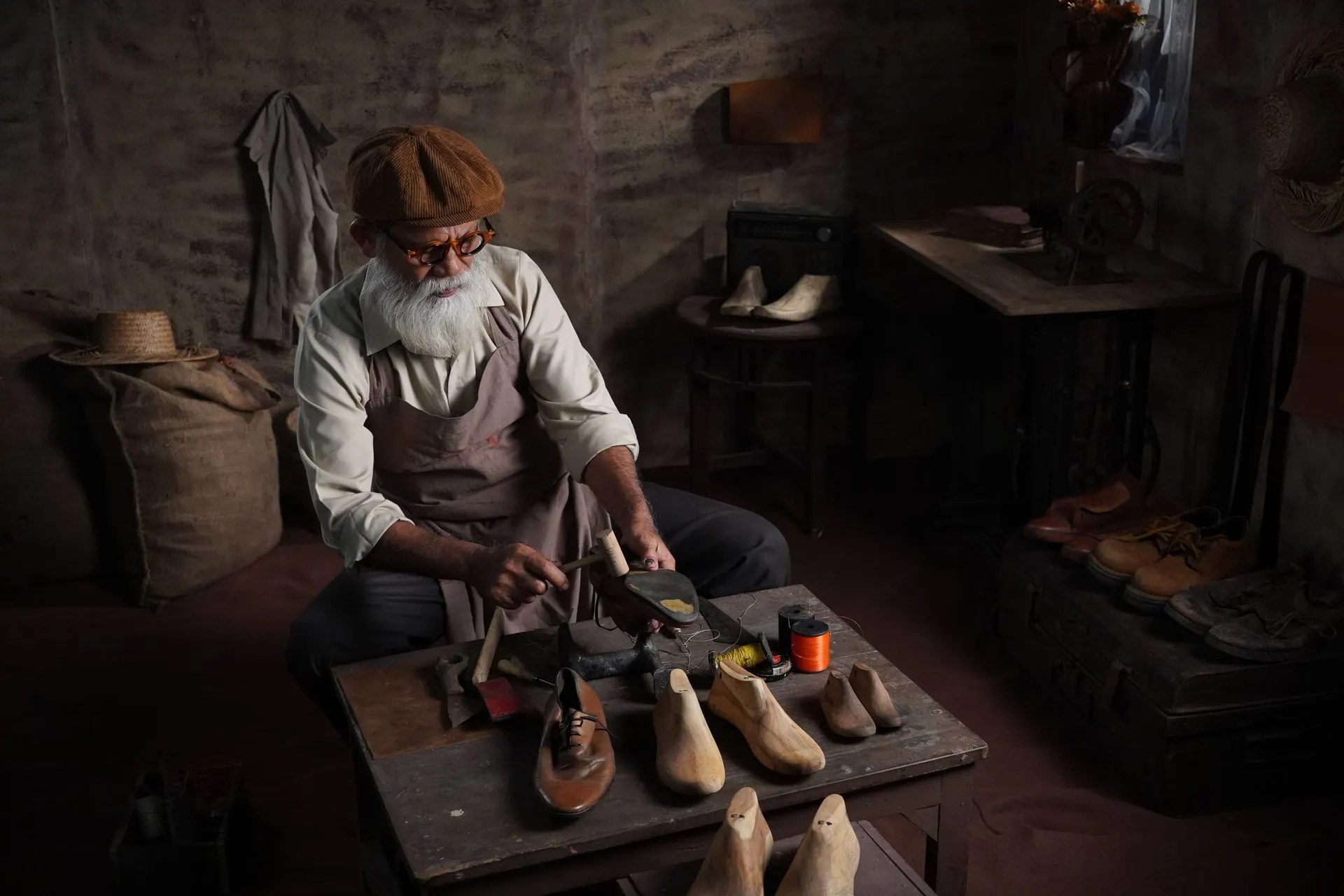
We measure both feet in eleven places, then carve a pair of beechwood lasts that belong to you alone. Everything after this is built around them.
Bespoke shoemakers
Shoes made slowly, for people who intend to keep them.
I · The last
We measure both feet in eleven places, then carve a pair of beechwood lasts that belong to you alone. Everything after this is built around them.
II · The cut
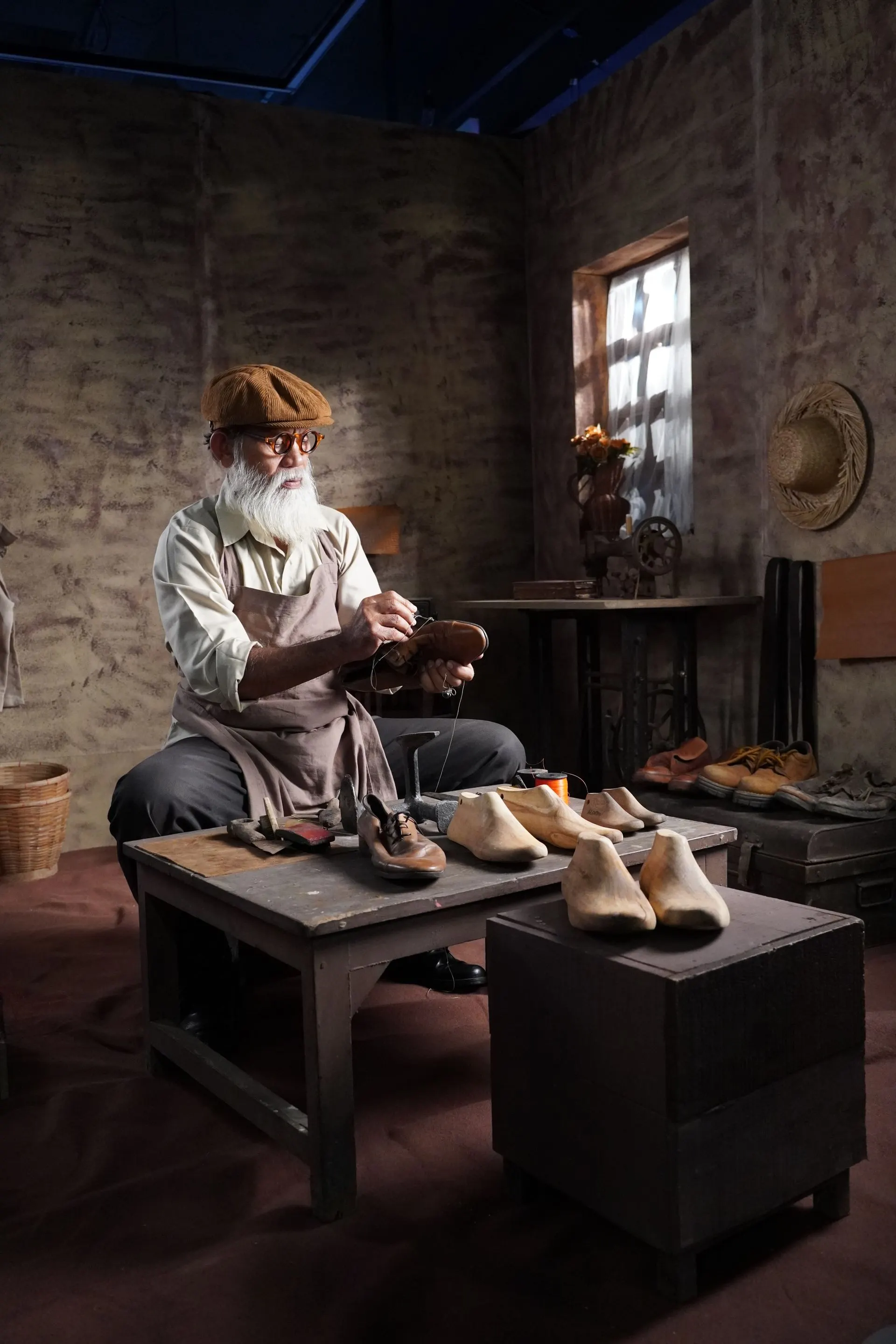
Every part of the upper is cut by eye from a single skin, so the grain and the colour match from toe to heel and from left to right.
III · The stitch
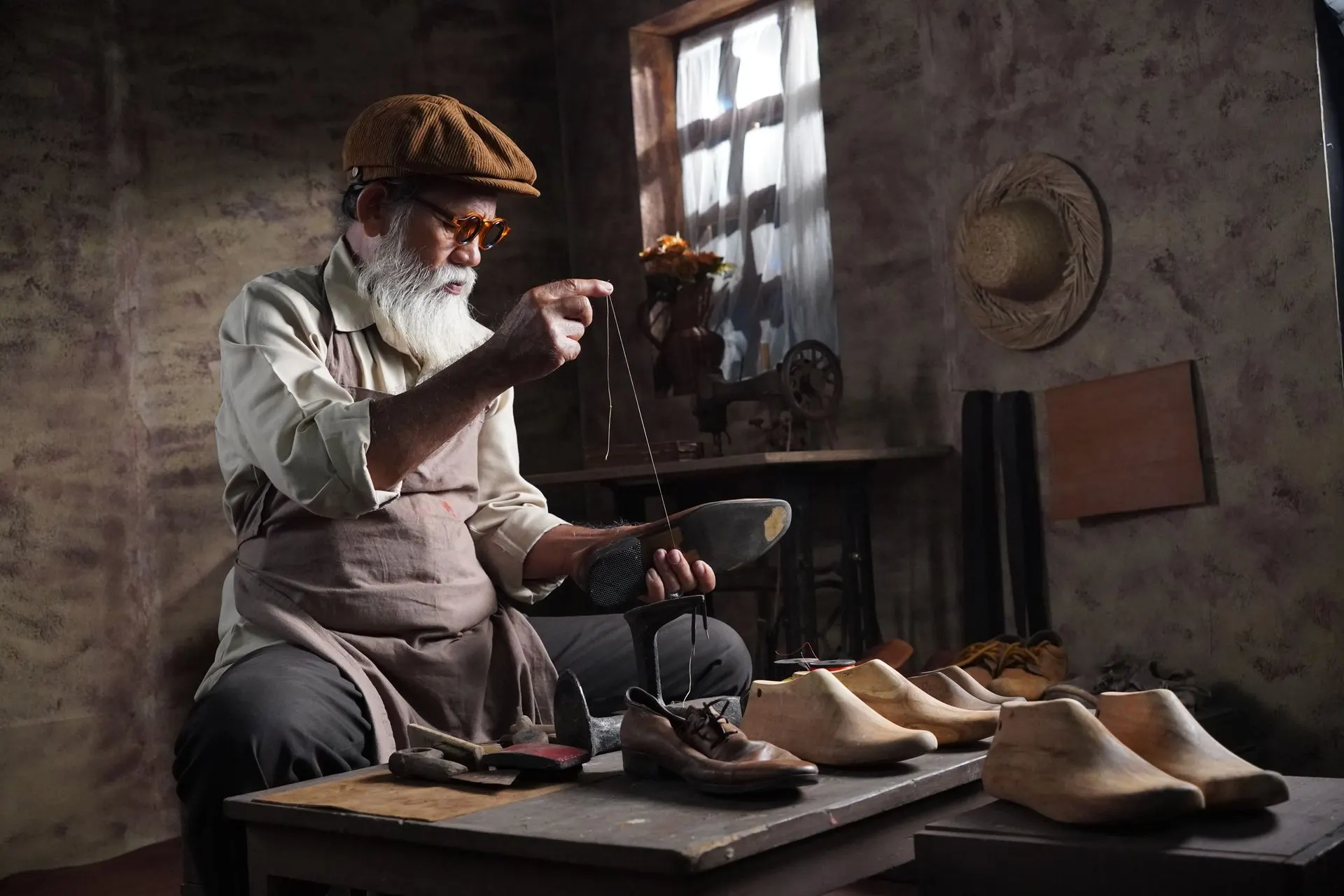
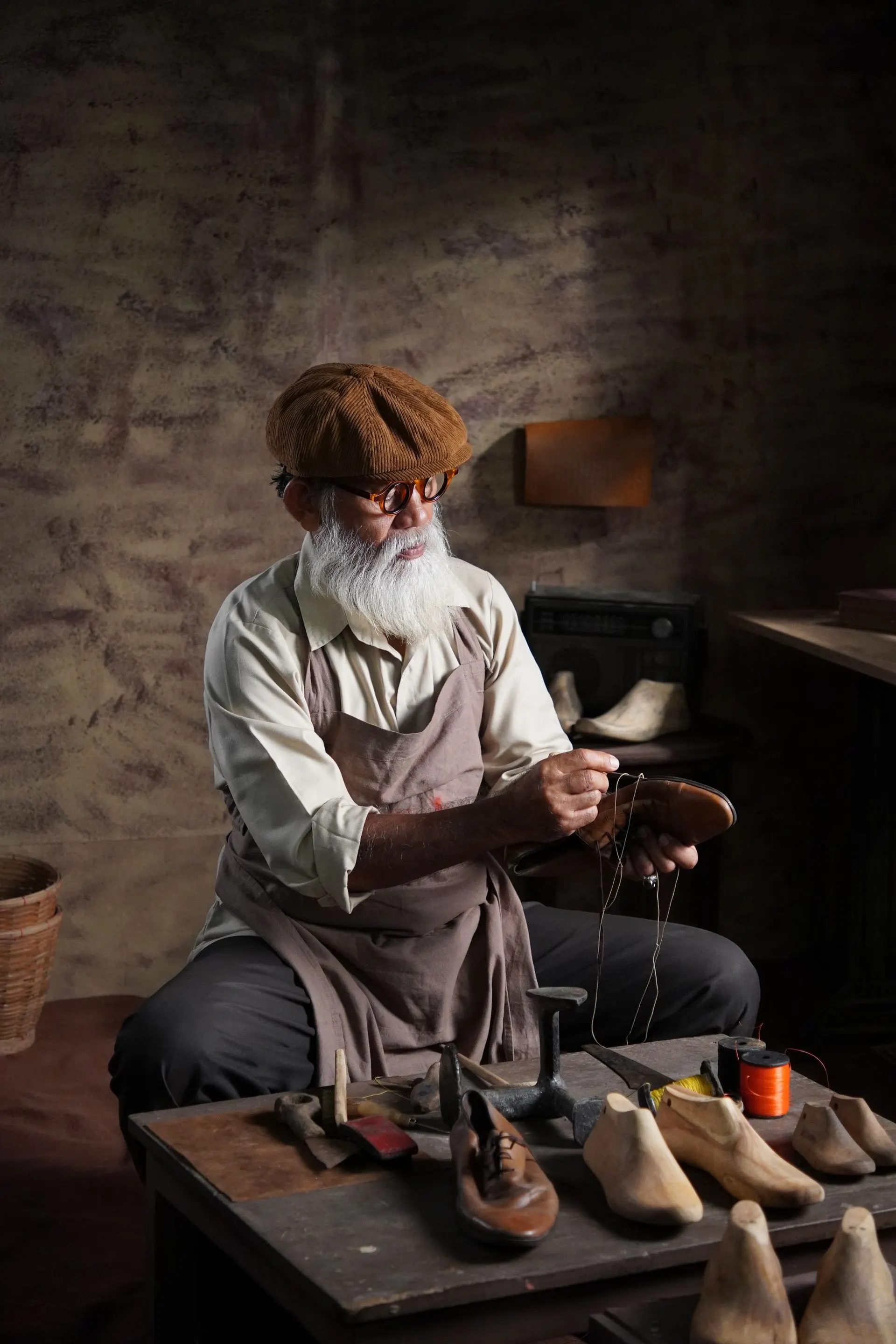
Linen thread, waxed by hand and sewn with two needles passing through the same hole. If one stitch ever breaks, the rest hold.
IV · The welt
The sole is stitched to a strip of leather called the welt, not to the shoe itself. That is why it can come off and be replaced, as often as you wear it through.
V · The finish
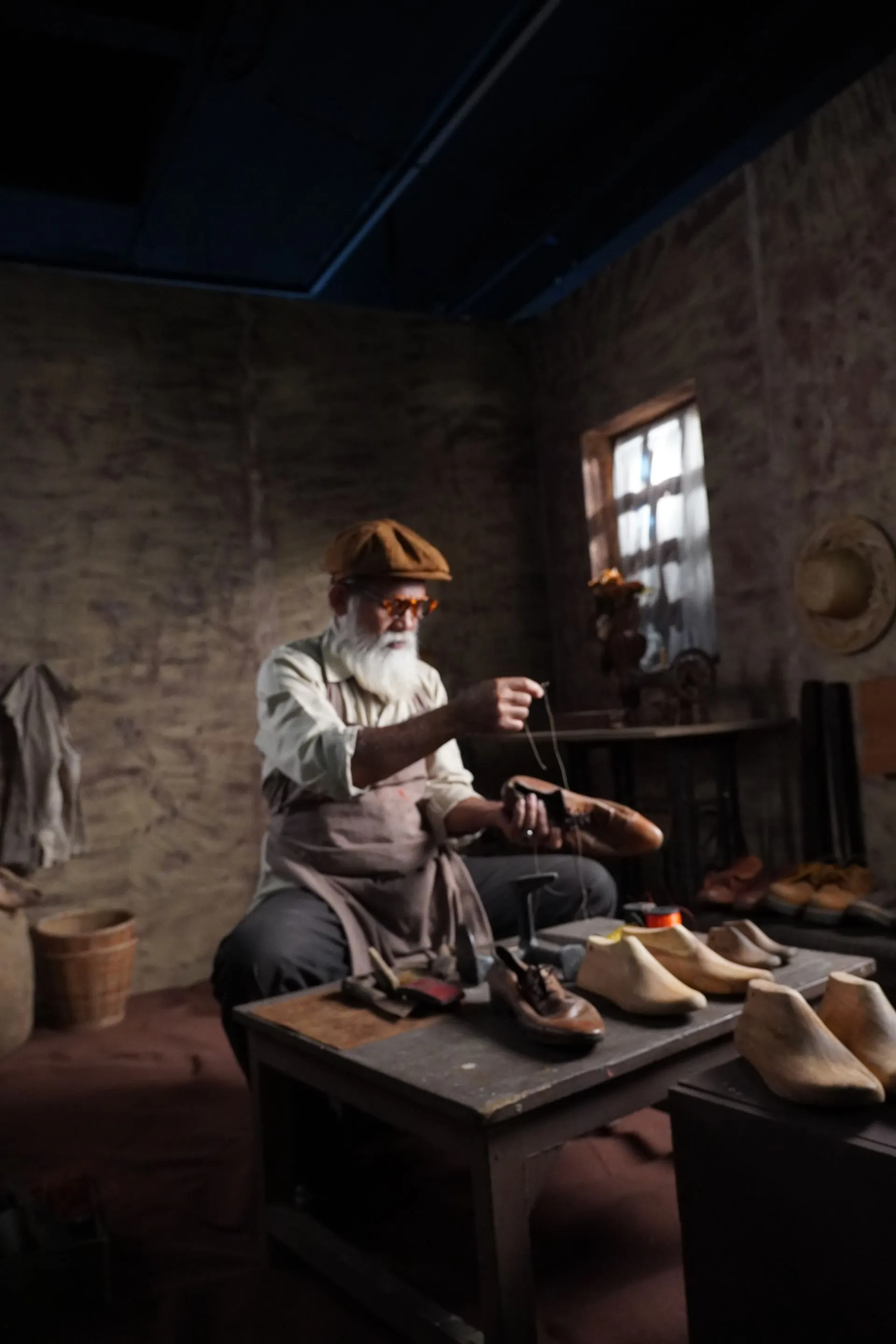
Wax, water, cloth and patience, repeated until the toe holds a reflection. Then the shoe goes to the window, and we look for the reason not to send it.
It takes nine weeks. We have never found a way to hurry it.
The collection
Each in any leather we keep, on your own last. We would rather make four things properly than forty well enough.
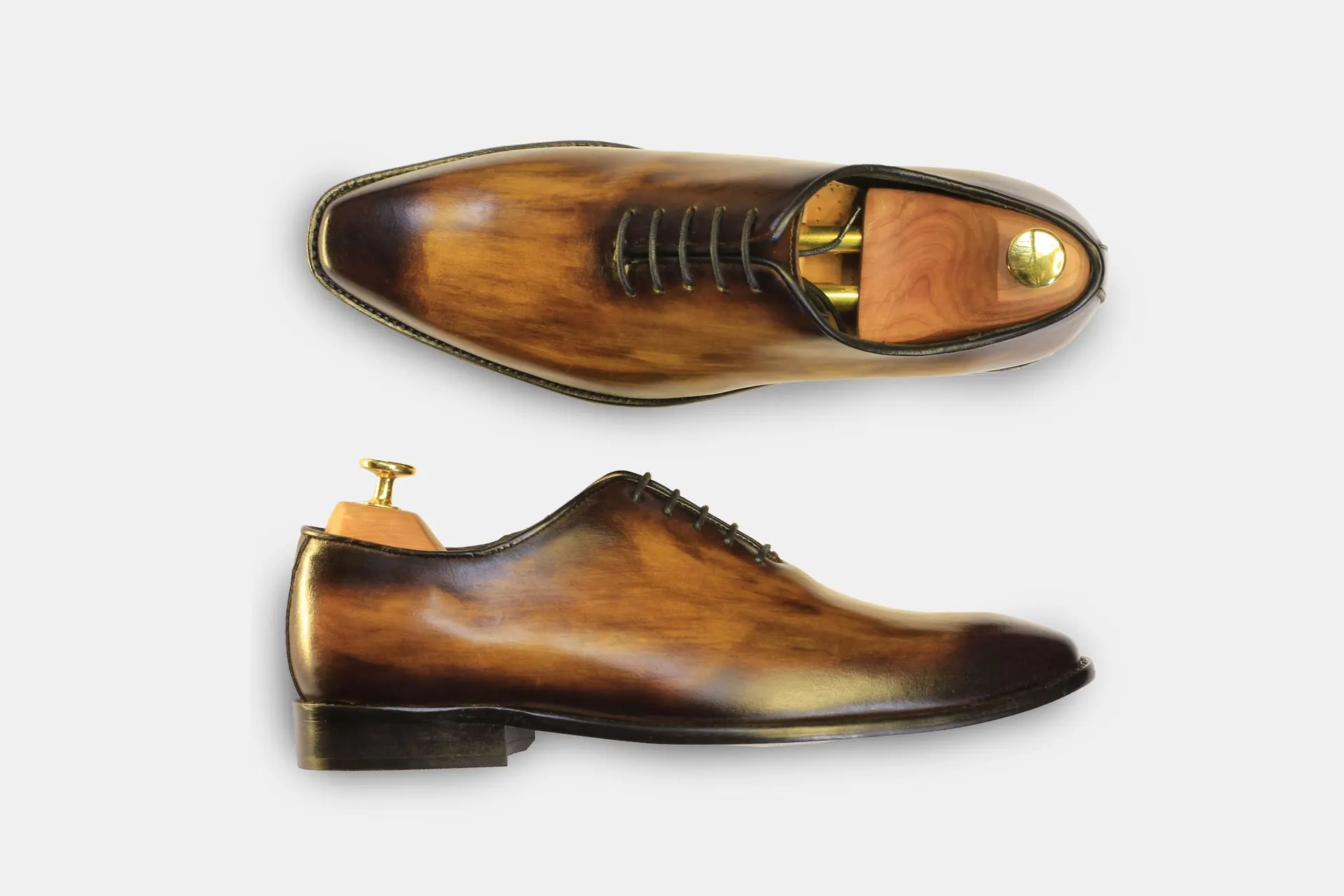
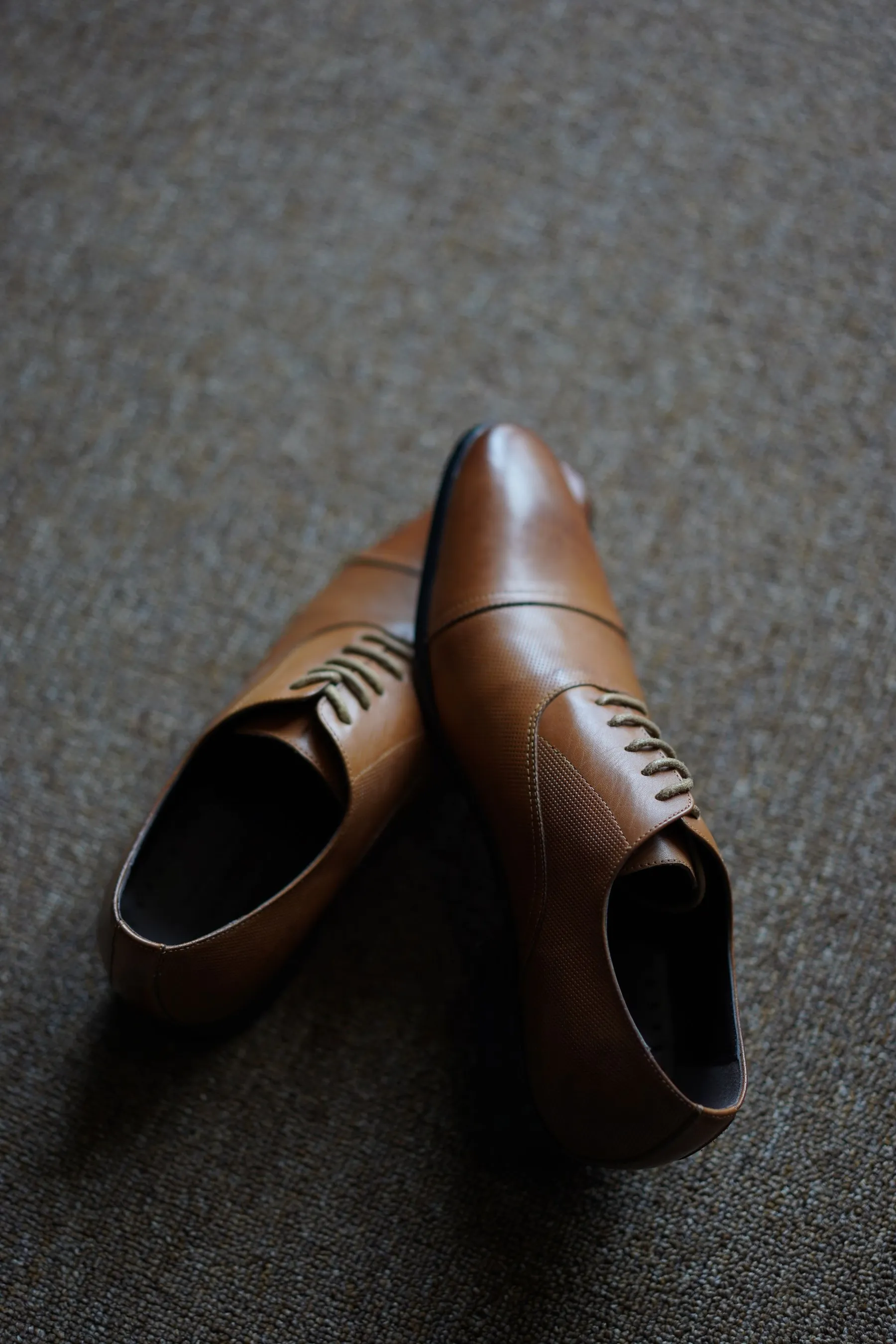
Wholecut oxford · museum calf
One unbroken piece of leather, no seams but the heel. The hardest shoe to make and the simplest to look at.
From $1,850
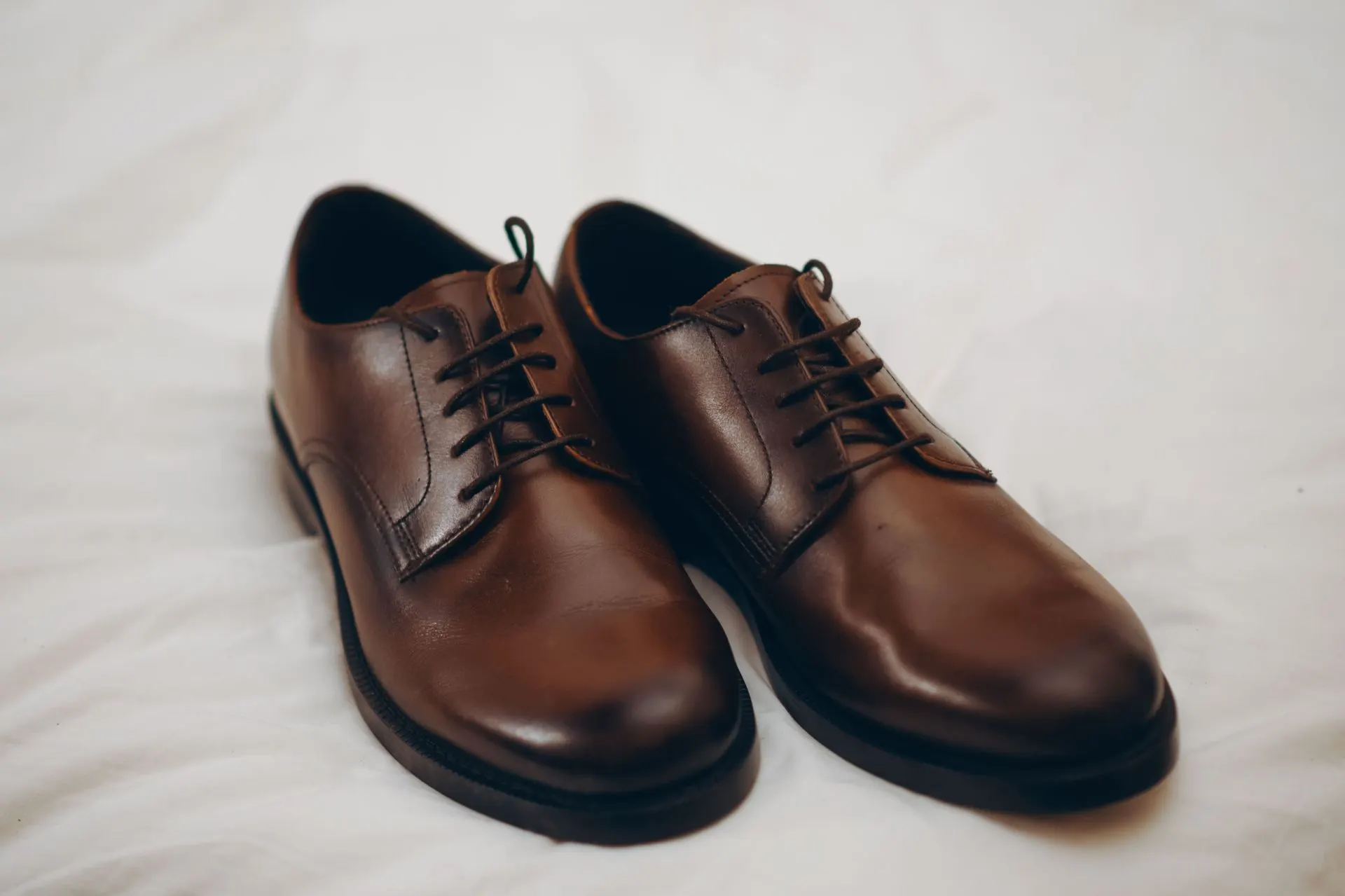
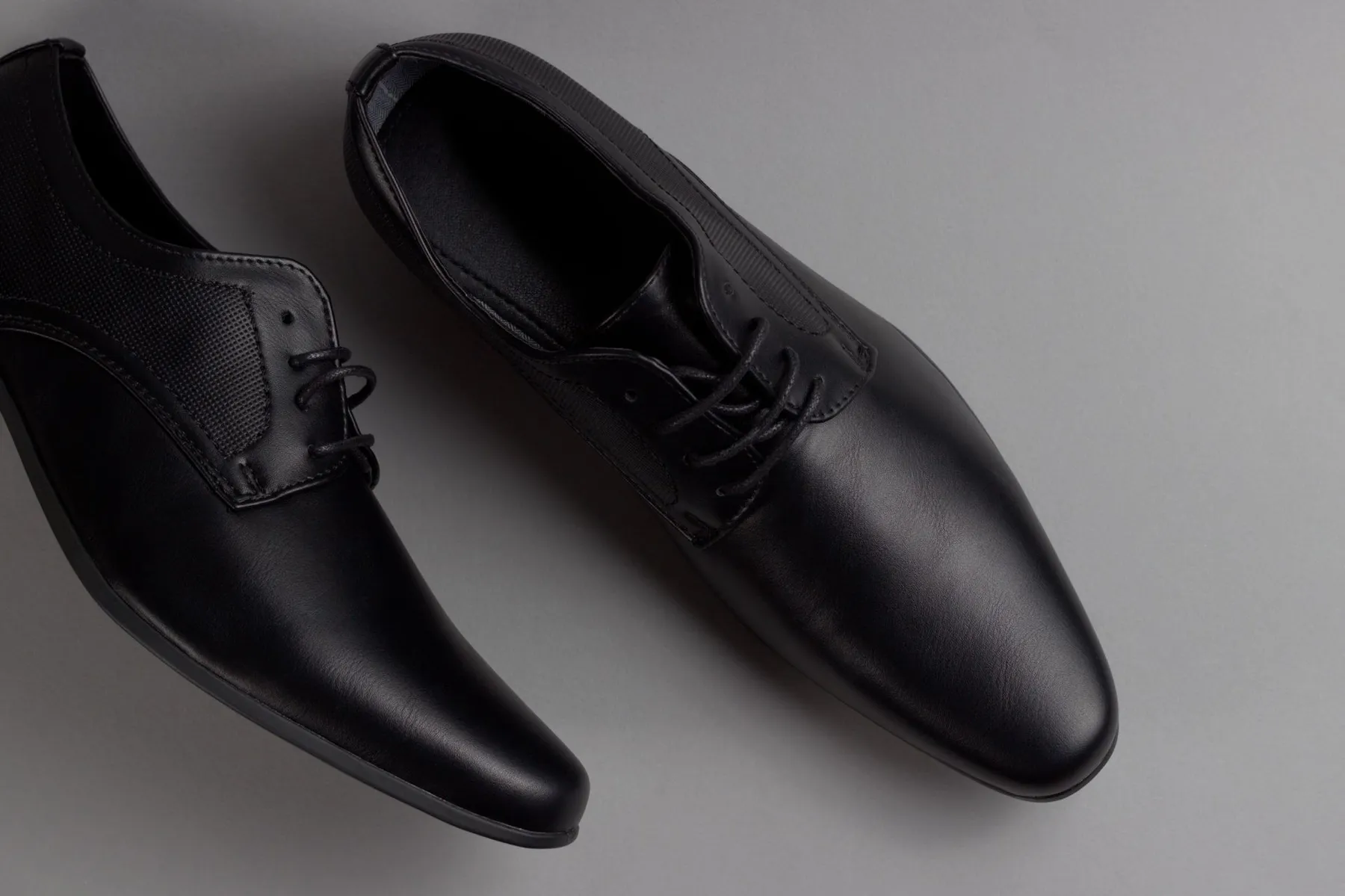
Plain derby · oxblood calf
Open lacing and a rounder toe. The pair that goes with a suit on Friday and without one on Saturday.
From $1,450
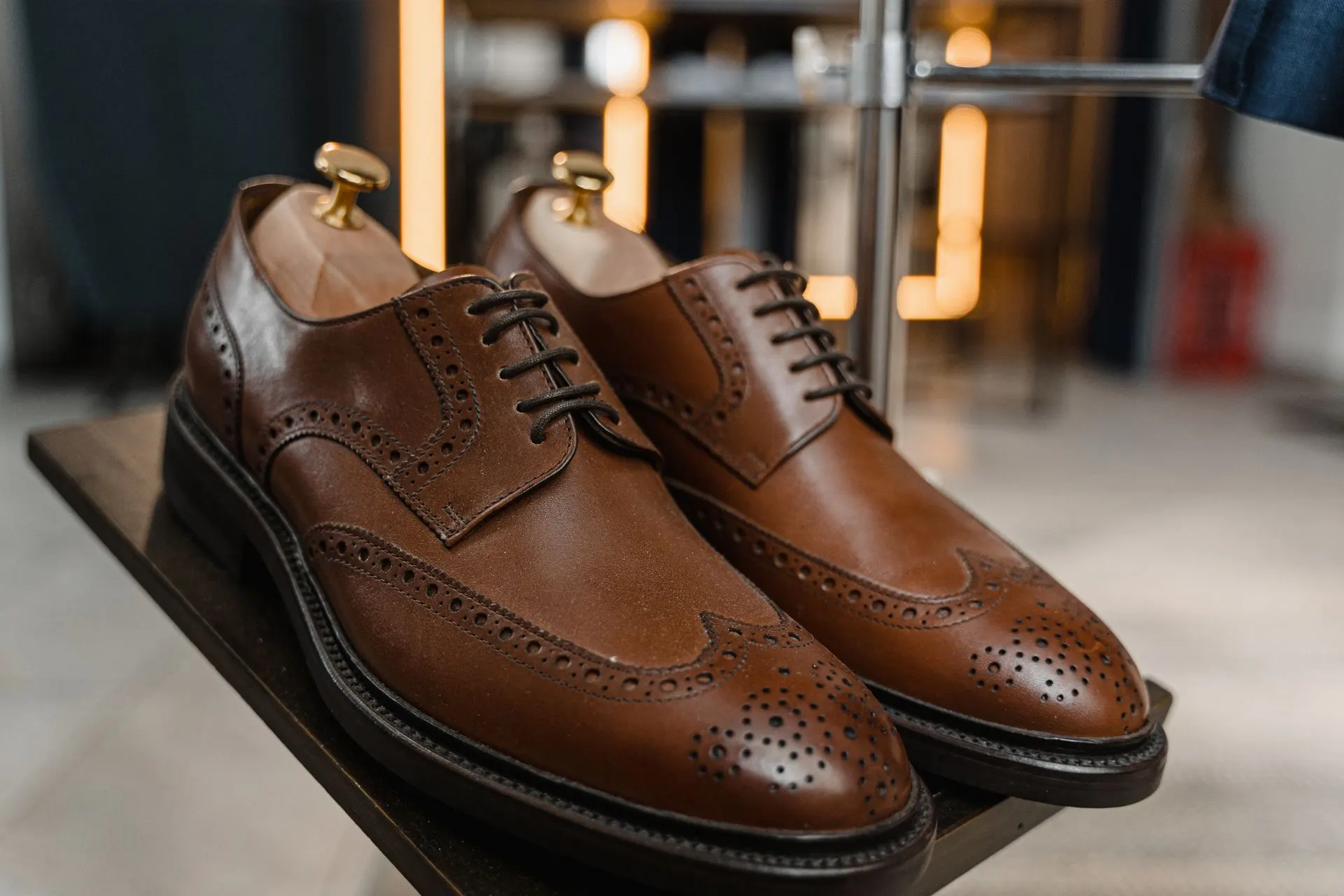
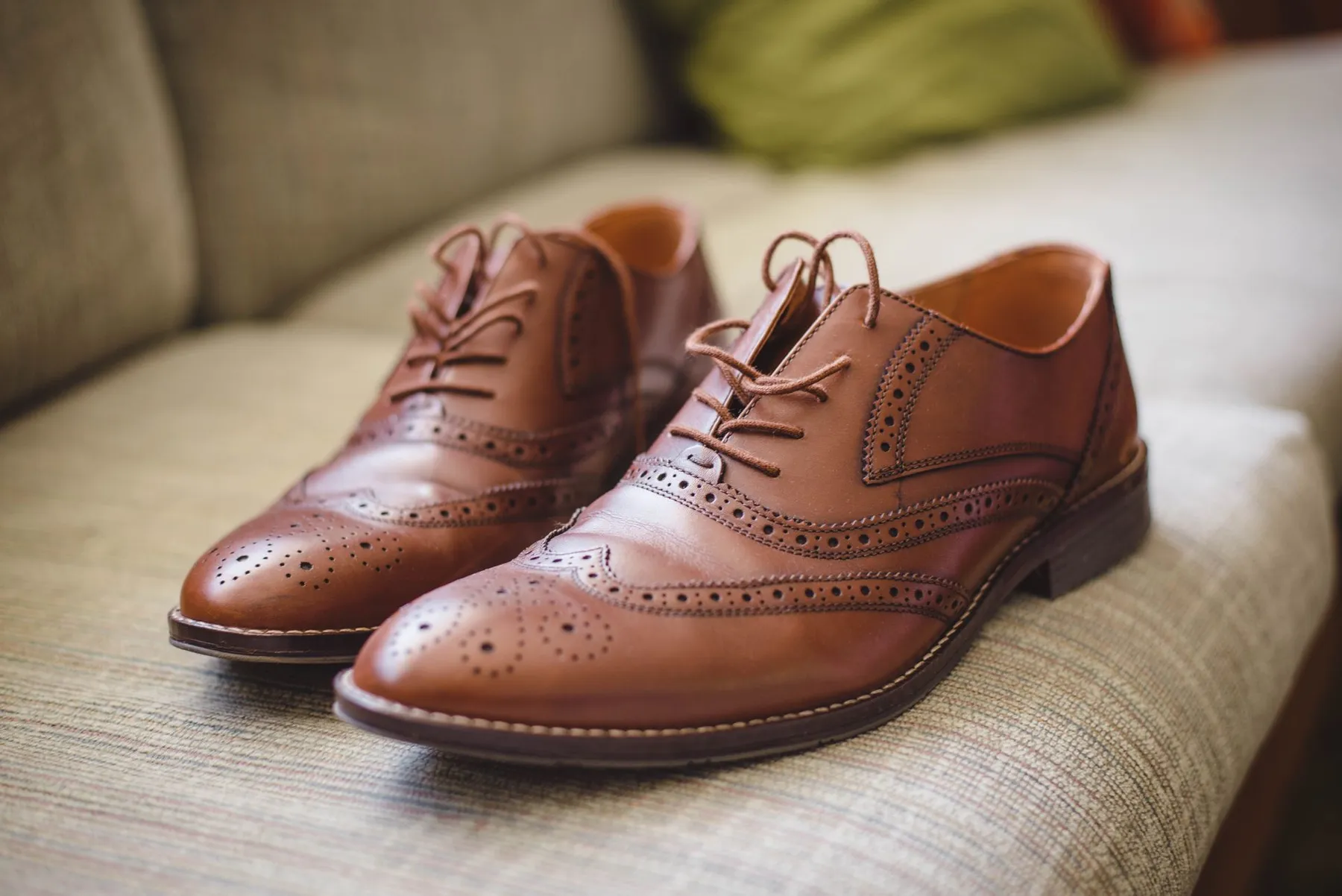
Full brogue · chestnut grain
Wing tip, punched by hand, on a double sole. Built for weather, pavements and thirty years of polish.
From $1,600
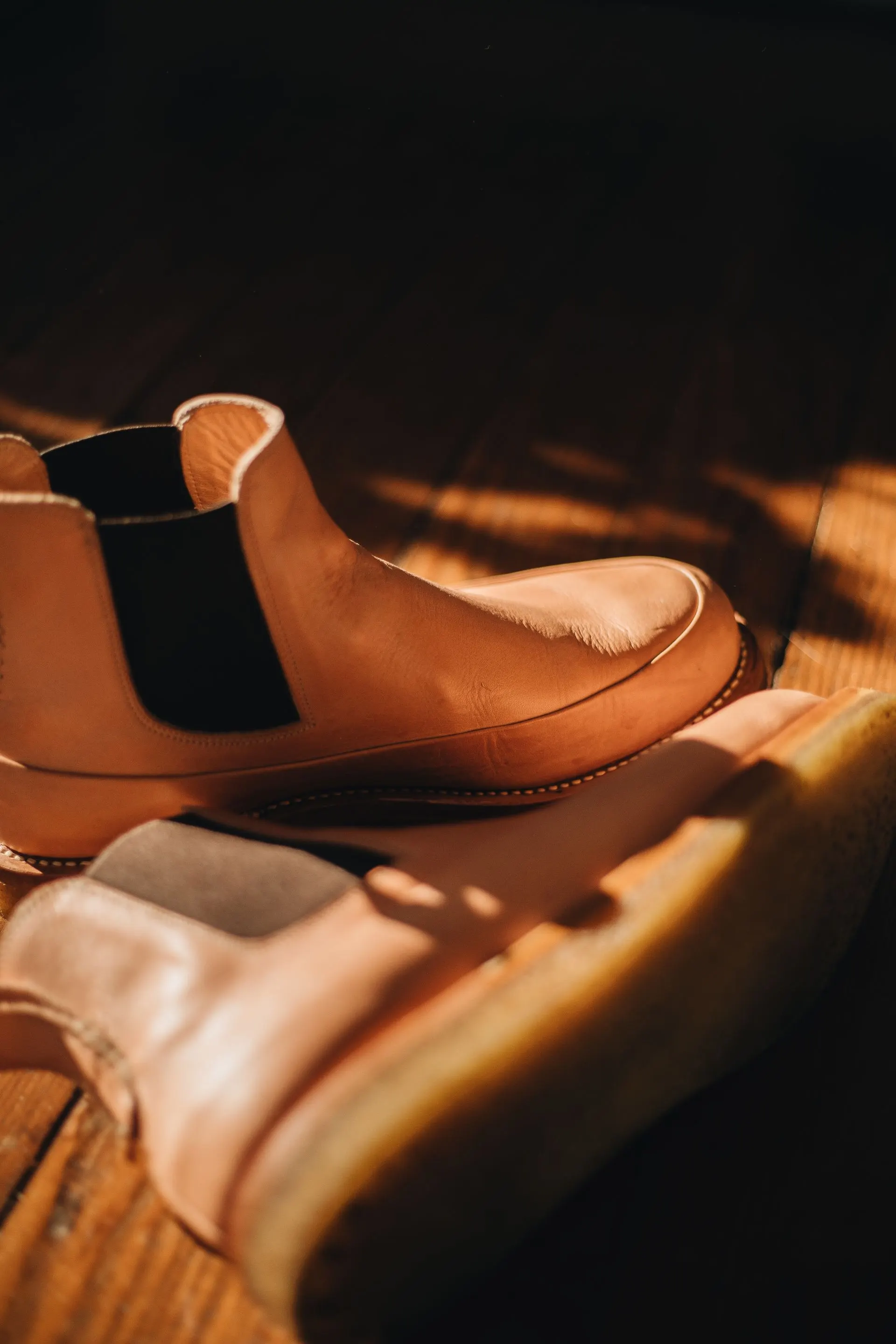
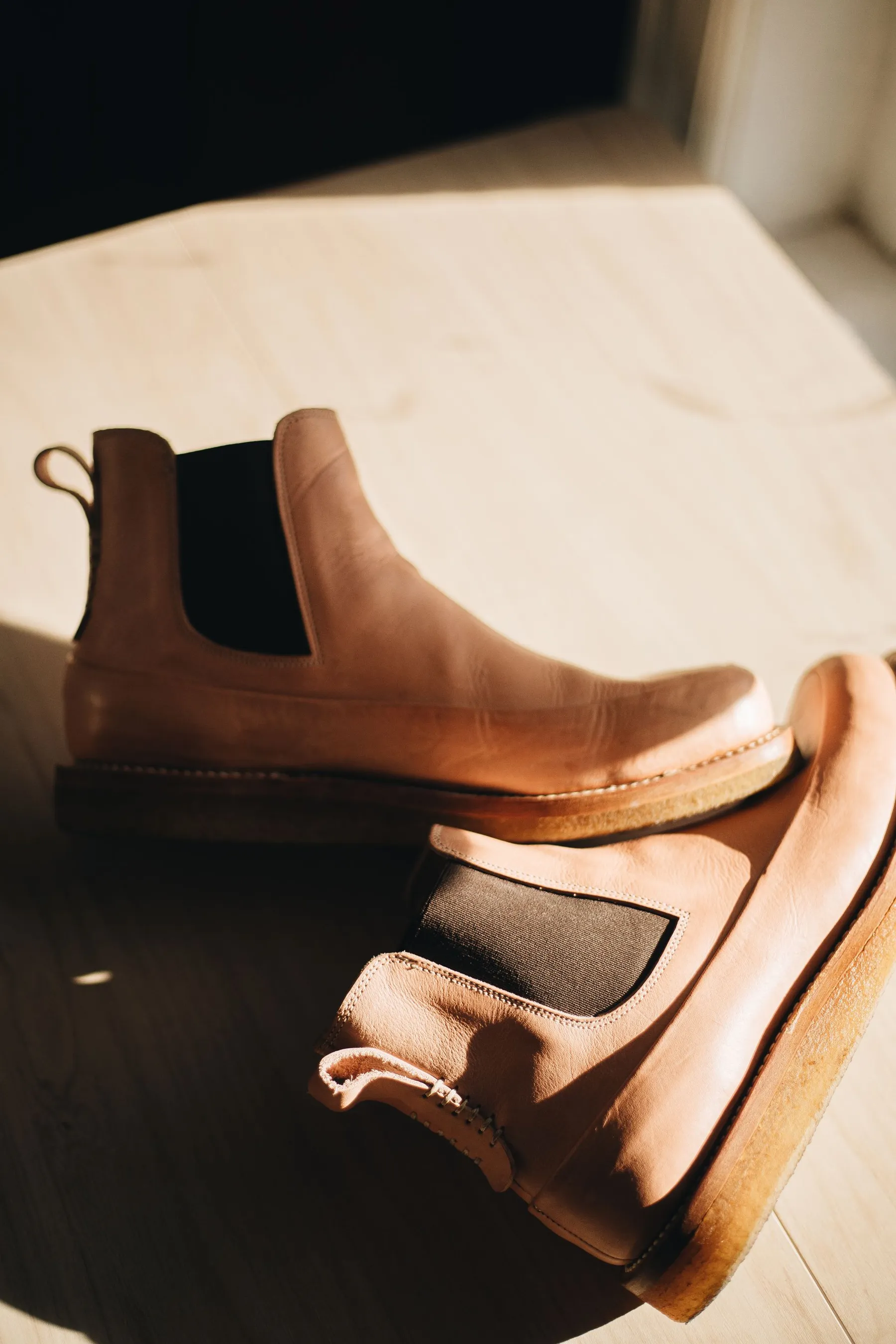
Chelsea boot · tobacco suede
No laces, one seam, and elastic we replace for free. It should feel like putting on a glove you already own.
From $1,700
Made to order
After the ninth week
Send them back when the sole wears thin. They return on new leather, on the same last, fitting as they did.
Your second pair needs no fitting. Tell us the shoe and the leather, and we begin.
Nothing exists until it is ordered. There is no sale, no season and no shoe waiting for a foot.
Asked at the bench
Leather has to rest on the last between stages, or the shoe loses its shape within a year. Most of the nine weeks is waiting, and none of it can be skipped.
For your first pair, yes. We measure both feet in eleven places and watch you walk. After that your last stays on our shelf and every later pair can be ordered by telephone.
Then we have not finished. Adjustments in the first year are part of the price, and if the last itself is wrong we carve it again.
The uppers should outlive several soles. Worn in rotation and kept on shoe trees, a welted shoe is commonly resoled five or six times.
Usually. Bring a colour, a swatch or an old shoe you loved, and we will tell you honestly whether we can match it.
By appointment